
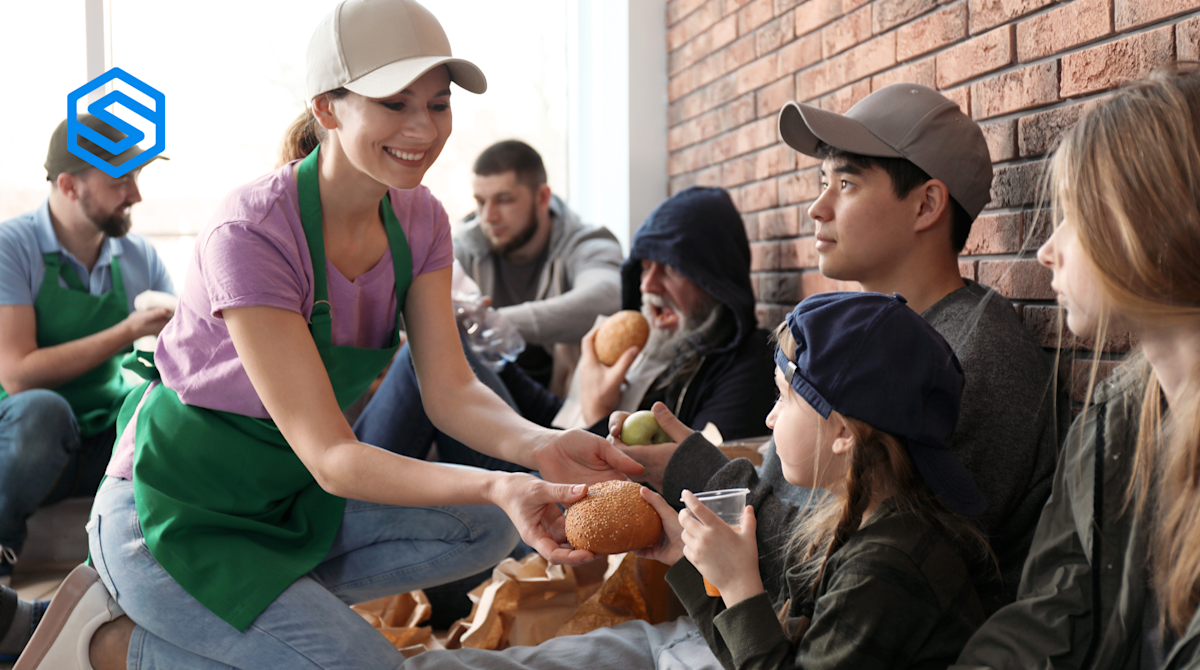
Life can feel like juggling too many balls at once: rent, groceries, childcare, school supplies, medical bills, and that ever-present worry about what happens if something unexpected comes up. If you’re a parent or caregiver trying to keep everything afloat, you deserve more than just advice. You deserve real support that meets you where you are. That’s exactly what programs for low-income families in Washington State are designed to do.
These aren’t handouts, they’re hand-ups. Thoughtful, practical resources that help families build stability, reduce stress, and create a stronger foundation for the future. If you’ve ever wondered how these programs actually work, who they help, and how to access them, you’re in the right place.
This guide breaks it all down in plain language, with real examples and actionable steps, because every family deserves a fair shot at thriving.
What Exactly Are Family Support Programs?
Family support programs are community-based services designed to strengthen households by addressing the everyday challenges that can threaten stability. Think of them as a toolkit—not a one-size-fits-all solution, but a customizable set of resources you can use when and how you need them.
These programs recognize that stability isn’t just about having a roof overhead. It’s about:
- Feeling confident you can feed your family this week
- Knowing your child has a safe, enriching place to go after school
- Having a plan when the car breaks down or a medical bill arrives
- Building skills and connections that lead to long-term independence
At their best, family support programs wrap around your life—not to take over, but to lift up. They’re offered by nonprofits, community action agencies, housing providers, and public partners who believe that when families win, communities win too.
Why Stability Matters (More Than You Might Think)
Stability isn’t a luxury; it’s a launchpad. Research shows that when families have consistent housing, reliable income, and access to supportive services, everything improves:
Children thrive: Stable housing and after-school support correlate with better school attendance, higher test scores, and stronger social-emotional development.
Parents feel empowered: Reduced stress and practical skill-building lead to greater confidence in parenting, work, and decision-making.
Communities grow stronger: When families stay housed and connected, neighborhoods see lower turnover, stronger local economies, and increased civic engagement.
Cycles change: Support today can break patterns of instability for generations to come.
In short: stability isn’t about staying still. It’s about creating the conditions where growth becomes possible.
Key Types of Family Support Programs (And How They Help)
Family support isn’t one thing, it’s many interconnected pieces. Here are the most impactful types of programs available, especially for those exploring programs for low-income families in Washington State.
Housing & Utility Assistance
- Emergency rental assistance: One-time help to prevent eviction during a crisis
- Utility bill support: Programs like LIHEAP help cover heating, cooling, or electricity costs
- Housing navigation: Case managers help you find affordable units, understand leases, and connect to landlords who accept vouchers
- Transitional housing: Short-term, supportive housing for families rebuilding after homelessness or crisis
- Real impact: A family facing a job loss can avoid eviction, keep their kids in the same school, and focus on finding new work, instead of scrambling for emergency shelter.
Parenting & Child Development Support
- Parenting workshops: Positive discipline, child development milestones, and communication strategies
- Early learning programs: High-quality preschool, home visiting services, and developmental screenings
- After-school and summer programs: Safe, enriching activities that keep kids engaged while parents work or train
- Childcare subsidies: Financial help to afford licensed, quality care
- Real impact: A single parent gains confidence in managing tantrums, while their child builds school-ready skills in a nurturing after-school program.
Employment & Financial Empowerment
- Job readiness training: Resume building, interview practice, and digital literacy classes
- Career pathway programs: Partnerships with local employers in healthcare, trades, tech, and more
- Financial coaching: Budgeting, credit repair, savings goals, and avoiding predatory lending
- Benefits enrollment help: Guidance on accessing SNAP, Medicaid, childcare subsidies, and tax credits
- Real impact: A parent completes a certified nursing assistant program, lands a stable job with benefits, and starts building an emergency fund, all while their childcare is covered.
Health, Wellness & Mental Health Support
- Sliding-scale counseling: Affordable therapy for stress, trauma, anxiety, or family transitions
- Wellness workshops: Nutrition education, stress management, and preventive health screenings
- Peer support groups: Connecting with other parents facing similar challenges reduces isolation
- Care coordination: Help navigate healthcare systems, scheduling appointments, and understanding insurance
- Real impact: A caregiver managing chronic stress learns mindfulness techniques, connects with a supportive peer group, and feels more equipped to handle daily pressures.
Transportation & Access Support
- Bus passes or ride vouchers: Help getting to work, appointments, school, or job interviews
- Mobile resource hubs: Vans or pop-up events that bring services directly to neighborhoods
- Language interpretation: Ensuring non-English speakers can fully access programs and rights
- Technology access: Device lending, Wi-Fi hotspots, and digital literacy training
- Real impact: A parent without a car can reliably attend job training, pick up kids from school, and get to medical appointments, without choosing between essentials.
How These Programs Create Real, Lasting Change
It’s easy to think of support programs as temporary fixes. But the most effective ones are designed for transformation, not just triage.
The Ripple Effect of Wraparound Support
When programs coordinate instead of working in silos, families experience compounding benefits:
Housing stability + job training = A parent keeps their apartment while gaining skills for a higher-paying role
Childcare support + financial coaching = A family saves for a car while their child thrives in preschool
Mental health counseling + parenting workshops = A caregiver builds resilience while strengthening family communication
Transportation help + healthcare navigation = A child gets consistent treatment for asthma, reducing ER visits
This is the heart of programs for low-income families in Washington State: they don’t just address one need. They recognize that life is interconnected, and so should be the solutions.
How Support Transforms Lives
While every family’s journey is different, the patterns of success are clear, and deeply human. Research shows that households that work with dedicated case managers are three times more likely to maintain stable housing after twelve months. But behind that number is a parent who finally sleeps through the night, who can focus on helping with homework instead of dodging eviction notices.
Children in consistent, well-supported homes consistently show measurable gains in reading and math within a single school year. That isn’t just a report card improvement; it’s a shift from survival mode to learning mode. Parents who finish financial coaching programs report noticeably lower stress levels and a stronger sense of control over everyday decisions, from stretching a grocery budget to planning for college.
These aren’t abstract metrics pulled from a spreadsheet. They’re real families, moms, dads, grandparents, and kids, rewriting their stories one supported step at a time. When resources, guidance, and community wrap around your daily life, stability stops feeling like a distant hope and starts looking like a practical reality. And that’s exactly what these programs were built to do.
How to Find and Access Programs for Low-Income Families in Washington State
Ready to explore what’s available near you? Here’s a simple, stress-free roadmap.
Start With These Trusted Resources
211 Washington: Dial 2-1-1 or visit wa211.org for free, confidential referrals to housing, food, childcare, and more, available in multiple languages.
Washington State Department of Social and Health Services (DSHS): Apply for benefits like SNAP, Medicaid, and childcare subsidies online at dshs.wa.gov.
Local Community Action Agencies: Organizations like Community Action of Clark County offer bundled services, housing help, job training, and energy assistance, all under one roof.
Nonprofit Housing Providers: Places like Cedar Bay Residence combine affordable housing with on-site family programs, so support is built into daily life.
School District Family Resource Centers: Many schools host liaisons who connect families to local programs. Just ask your child’s teacher or counselor.
Application Tips That Save Time & Stress
Applying for support programs doesn’t have to feel overwhelming. A little preparation goes a long way toward reducing stress and speeding up the process. Here is how to make your application journey smoother, step by step.
Gather documents early: Having your ID, proof of income, residency verification, and children’s birth certificates ready in one folder can cut weeks off your application timeline. Take photos or scan them to your phone so you always have a backup.
Ask about “warm handoffs”: Some agencies can directly connect you to partner services, like childcare, job training, or counseling, without making you re-explain your situation or refill the same forms. Just ask: “Can you refer me directly to your partner programs?”
Use the keyword strategically: When searching online, combine “programs for low-income families in Washington State” with your specific city or county (like “Vancouver” or “Clark County”). This helps you find hyper-local resources that match your exact location and needs.
Don’t wait for “perfect” eligibility: Many programs have flexible criteria, rolling admissions, or waitlist options that keep your file active. If you are close to qualifying, apply anyway and ask: “What other programs might be a good fit while I wait?”
Bring a support person: Navigating forms and interviews is easier with someone by your side. A friend, family member, or case manager can help you remember key details, ask questions you might forget, and provide moral support during the process.
Frequently Asked Questions
- Do I need to be homeless to qualify for family support programs?
No. Most programs for low-income families in Washington State serve a wide range of households, including working families, those facing temporary hardship, or anyone earning below 80% of the Area Median Income. Crisis status is rarely required.
- Are these programs really free, or are there hidden costs?
Core services like case management, parenting workshops, and benefits enrollment help are typically free. Some programs (like certain job training certifications) may have minimal fees, but most offer sliding-scale pricing or scholarships; always ask upfront.
- How long does it take to get help after applying?
Timelines vary. Emergency assistance (like eviction prevention) can be processed in days. Programs with waitlists (like housing or childcare subsidies) may take weeks or months. Applying early, staying in touch, and using 211 for interim resources can bridge the gap.
- Can I access services if I’m not a U.S. citizen?
Many community-based programs serve all residents regardless of immigration status. While some federal benefits have eligibility rules, local nonprofits, food banks, and health clinics often provide support without asking about citizenship. When in doubt, call and ask: “Do you serve mixed-status families?”
- What if I need help but don’t know where to start?
Start small. Call 211. Visit your child’s school office. Stop by a local food bank. These frontline staff are trained to listen and connect you to the right next step—not every step at once. You don’t have to have it all figured out to begin.
Final Thoughts
Building a stable life isn’t about doing everything perfectly. It’s about having the right support at the right time. Programs for low-income families in Washington State exist because communities believe that every parent deserves to feel capable, every child deserves to feel safe, and every family deserves to feel hopeful about tomorrow.
Maybe your next step is a phone call to 211. Maybe it’s picking up an application at a community center. Maybe it’s simply reading this post and realizing: Oh. Help actually exists. And it’s for people like me.
However, you begin, know this: asking for support isn’t admitting defeat. It’s a choosing strategy. It’s saying, “My family matters, and I’m willing to reach for what helps us thrive.”